


Prednisone is a medication commonly used to treat conditions such as rheumatoid arthritis, lupus, and other autoimmune diseases. It belongs to a class of drugs called corticosteroids, which are synthetic versions of the hormones produced by the adrenal gland. Prednisone works by suppressing the immune system, reducing inflammation and relieving symptoms such as pain, swelling, and stiffness. It can be taken orally in tablet form or given intravenously in hospital settings. The dosage of prednisone for arthritis treatment will vary depending on the severity of the condition and other factors, such as age and general health. It is important to follow the instructions provided by your healthcare provider regarding dosage and use. While taking prednisone, it is essential to monitor any potential side effects, which can include changes in mood, difficulty sleeping, increased appetite, weight gain, and acne. Report any adverse reactions to your doctor immediately. Longterm use of prednisone can lead to side effects such as osteoporosis, so it is important to take the medication only as directed by your healthcare provider and to discuss any concerns you may have about your treatment plan. It is also essential to follow a healthy lifestyle, including regular exercise, balanced diet, and stress reduction techniques, while taking prednisone for arthritis. These measures can help manage the condition and reduce the risk of complications. In conclusion, prednisone is an effective medication used in the treatment of rheumatoid arthritis and other autoimmune diseases. However, it is essential to follow the instructions provided by your healthcare provider and to monitor any potential side effects. Additionally, adopting a healthy lifestyle can help manage the condition and reduce the risk of complications while taking prednisone.

Menu >




![photo[7]](/media/rokgallery/6/682806f6-80a7-4588-eee4-aae3fcf191e3/photo[7].JPG "photo[7]")
![photo[6]](/media/rokgallery/b/b0a90bf5-4b1d-4df6-9938-119893073662/photo[6].JPG "photo[6]")
![photo[5]](/media/rokgallery/a/a97edeab-ed4e-45f5-d77c-27ba95f6036f/photo[5].JPG "photo[5]")




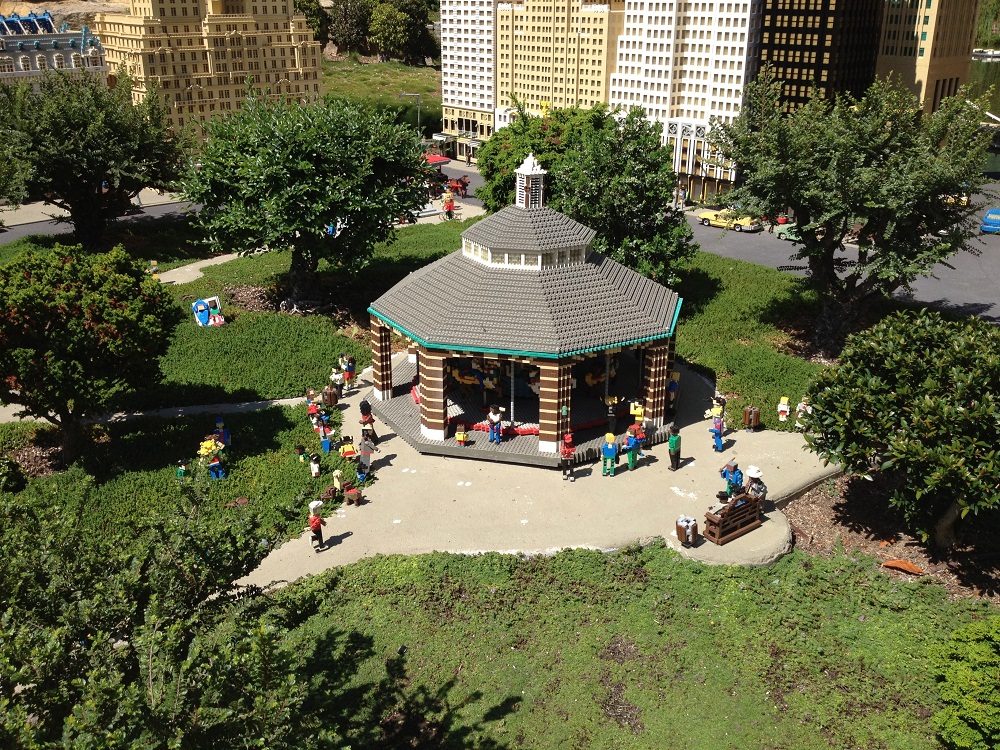





 Eco Central Park Tours